Where to See Cambodia's Big Five Birds
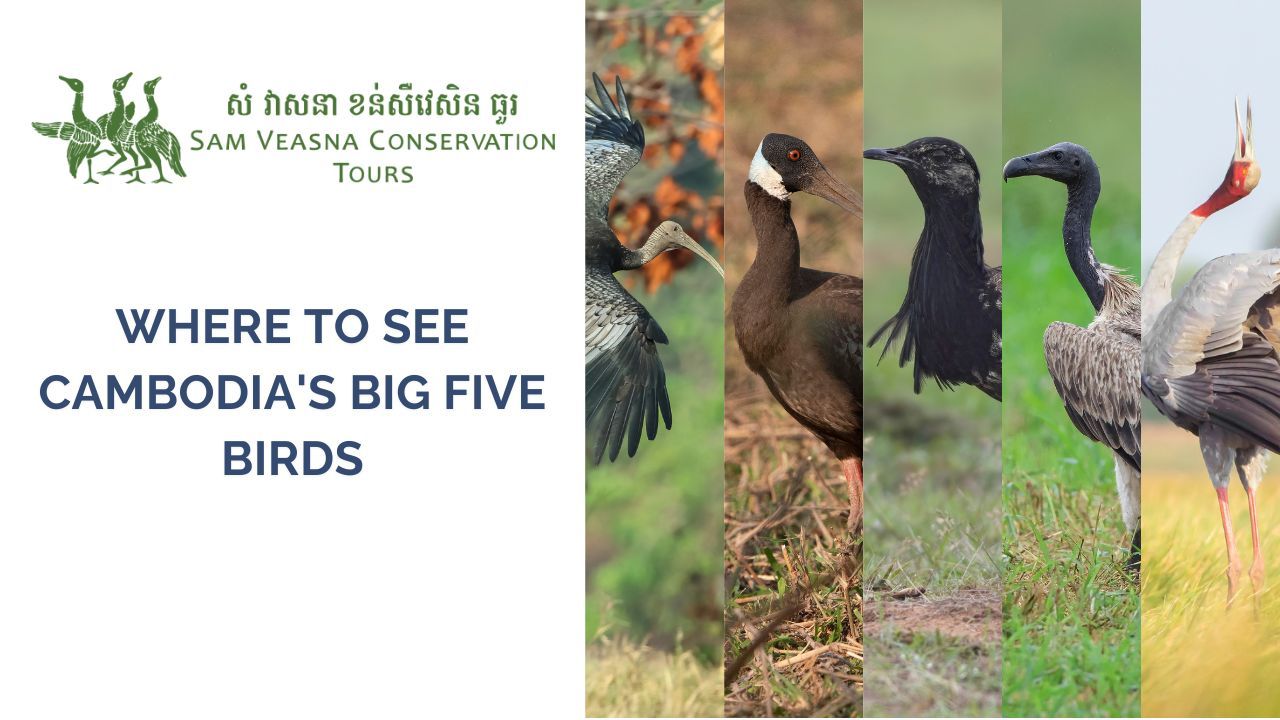
Cambodia is home to some of Southeast Asia's most remarkable birds, from the country's national bird, the Giant Ibis, to critically endangered vultures, rare grassland birds, and spectacular wetland species.
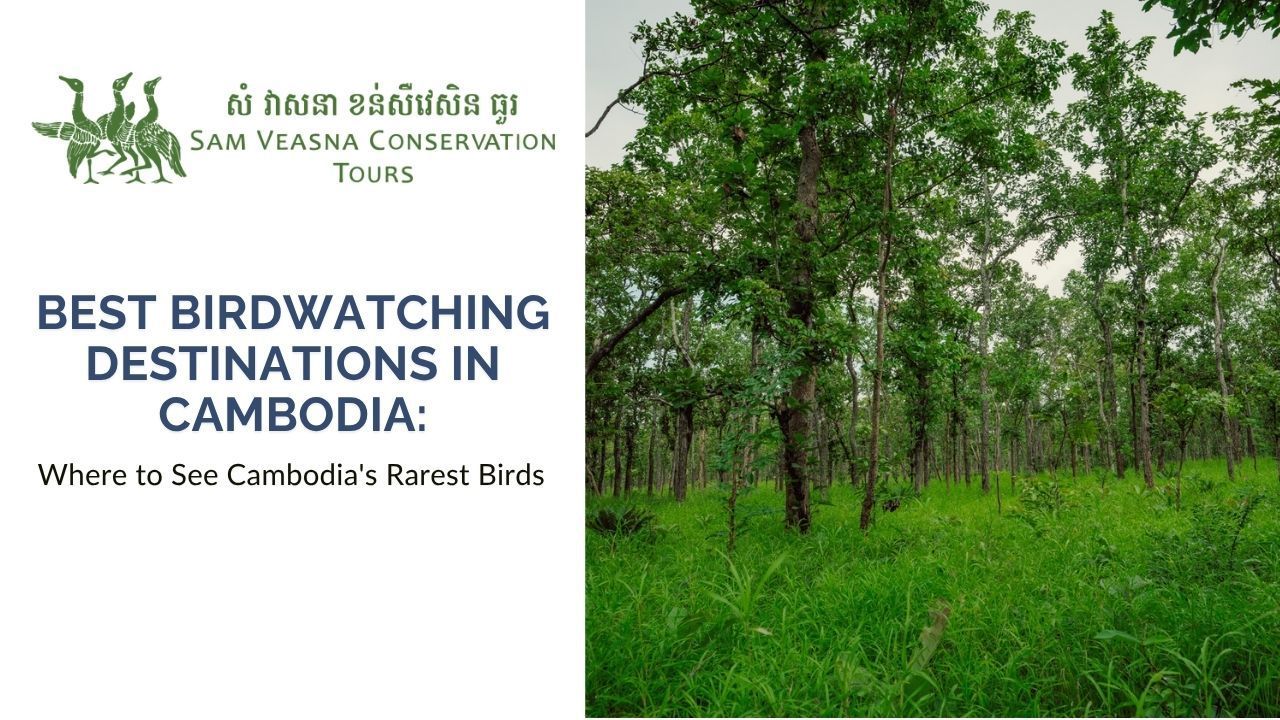
For birdwatchers, Cambodia offers a remarkable variety of habitats, including dry dipterocarp forests, grasslands, wetlands, seasonal pools, and evergreen forests.
While Cambodia has no official "Big Five" bird list, five species and species groups stand out for their rarity, conservation importance, size, and appeal to birdwatchers: the Giant Ibis, White-shouldered Ibis, Bengal Florican, Cambodia's three Critically Endangered Vultures, and Sarus Crane.
Together, these birds represent some of the most special wildlife experiences Cambodia has to offer.
If you are planning a birdwatching trip to Cambodia, here is where to look for them and what else you may discover along the way.
Cambodia's Big Five Birds
1. Giant Ibis
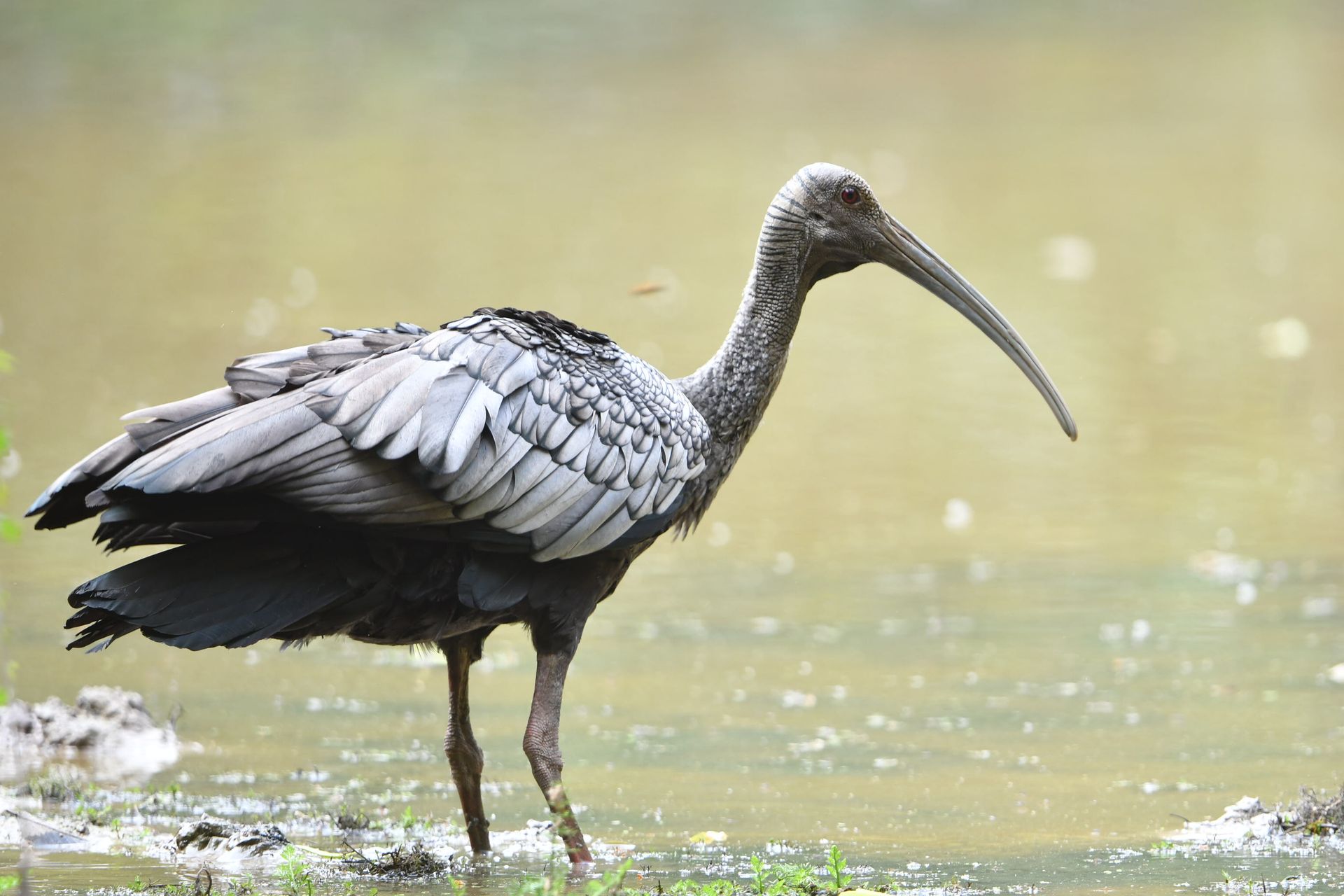
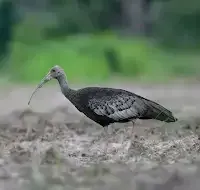
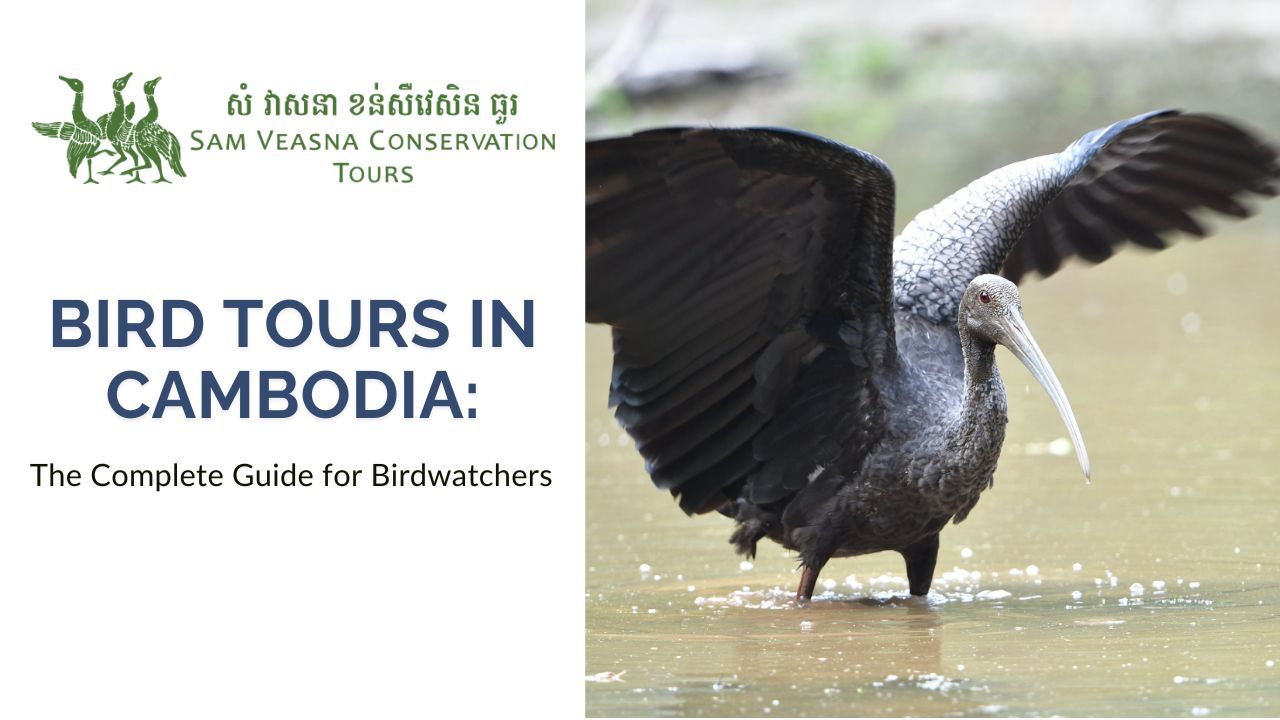
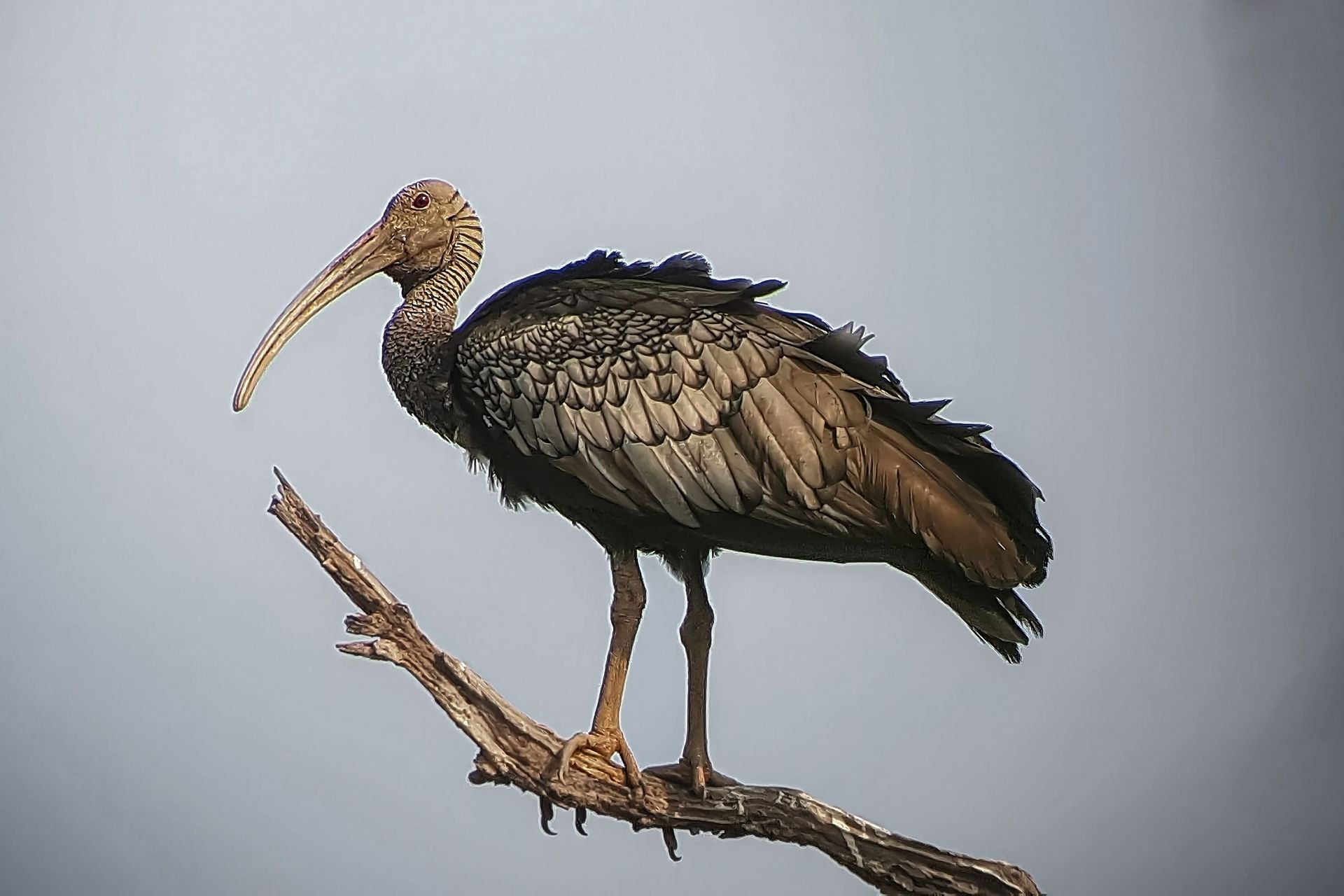
The Giant Ibis (Pseudibis gigantea) is Cambodia's national bird and one of the world's rarest ibis species.
It is also the largest ibis species in the world, making it an impressive sight when encountered in the wild. Its dark plumage, large body, and long curved bill make it distinctive among Cambodia's birdlife.
The species has suffered a dramatic decline across its former range, with habitat loss, hunting, and other pressures contributing to its disappearance from many areas.
Cambodia remains one of its most important remaining strongholds, with the Northern Plains supporting an important population.
Where Can You See Giant Ibis?
Tmat Paeuy, in Cambodia's Northern Plains, is one of the best places to search for Giant Ibis.
The landscape contains dry forests, wetlands, grasslands, and seasonal pools that provide important habitat for the species.
A guided birdwatching trip can also produce sightings of White-shouldered Ibis,, White-rumped Falcon, Great Slaty Woodpecker, Rufous-bellied Woodpecker, and many other woodland species.
For visitors exploring the Northern Plains,
Kriel Lodge provides a comfortable base for birdwatching around
Tmat Paeuy.
2. White-shouldered Ibis
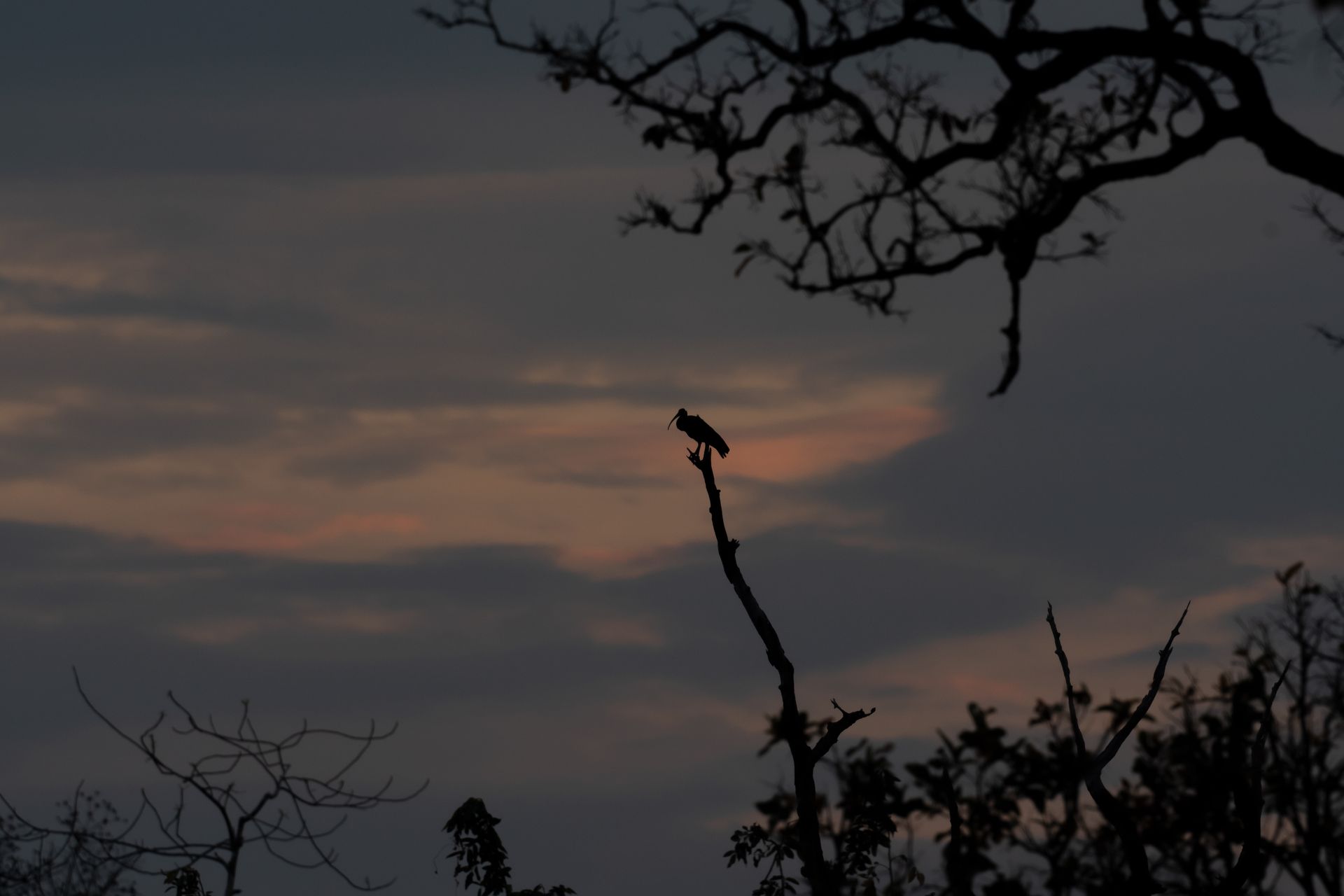
The White-shouldered Ibis (Pseudibis davisoni) is another Critically Endangered species found in Cambodia's Northern Plains.
Named for the distinctive white patches on its shoulders, this large dark ibis is one of the most sought-after birds for birdwatchers visiting Cambodia.
The species has experienced severe population declines throughout its historical range, making Cambodia particularly important for its conservation.
Where Can You See White-shouldered Ibis?
The Northern Plains, particularly Tmat Paeuy, provide important habitat for White-shouldered Ibis.
The birds depend on a combination of dry forest, open woodland, seasonal wetlands, and feeding areas.
Tmat Paeuy is particularly interesting because birdwatchers can search for both White-shouldered Ibis and Giant Ibis during the same trip.
The area also demonstrates how conservation tourism can support local communities while protecting important bird habitat.
3. Bengal Florican
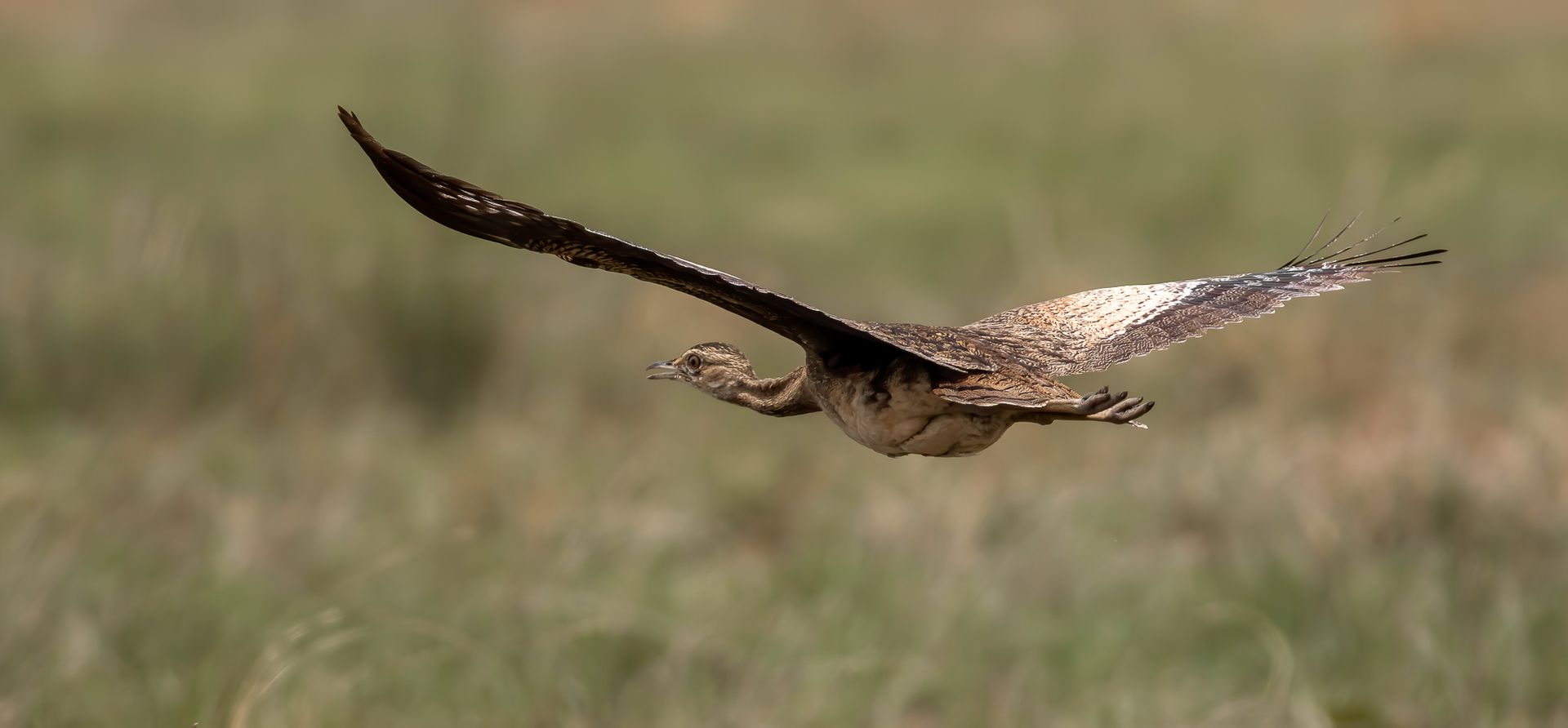
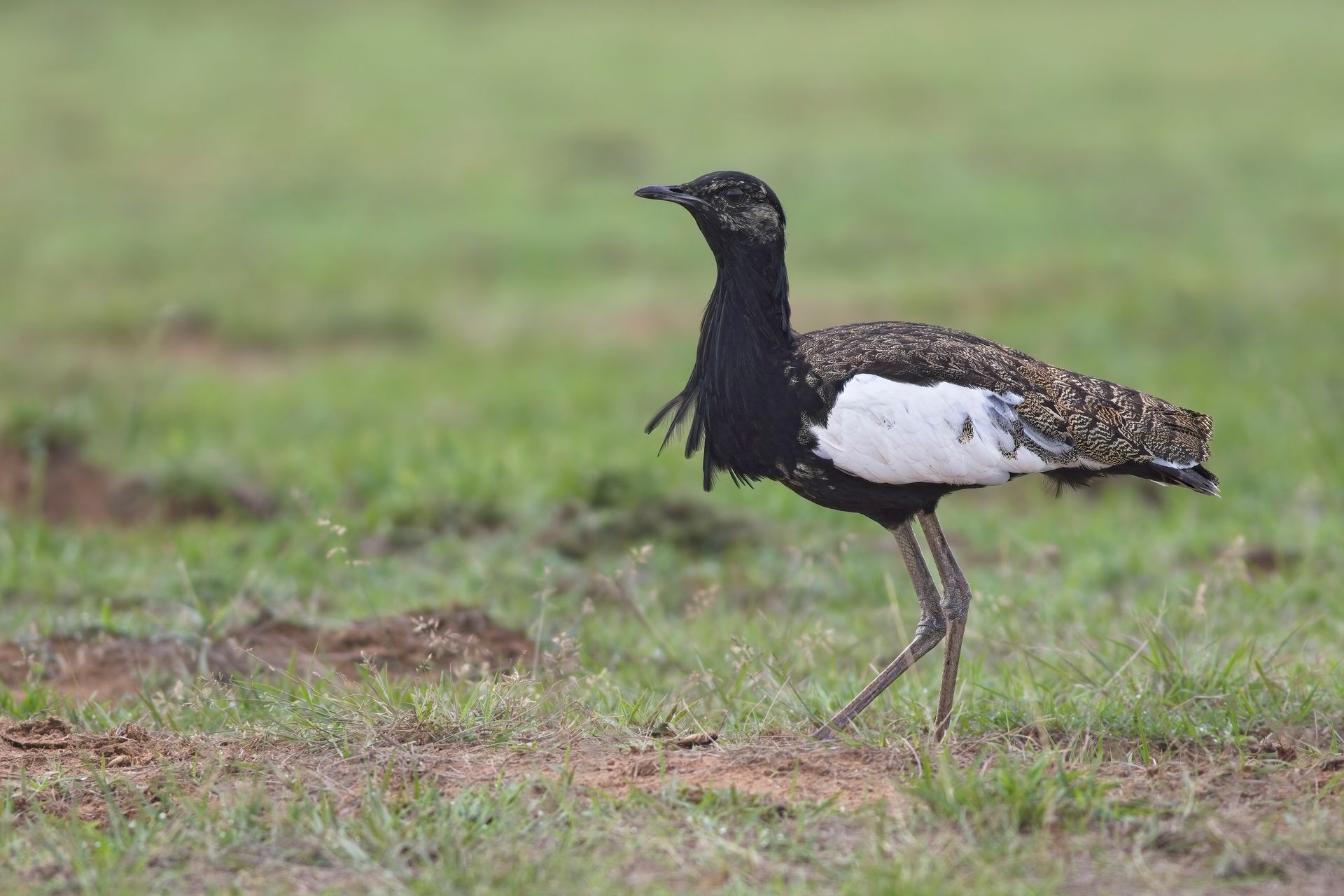
The Bengal Florican (Houbaropsis bengalensis) is one of the world's rarest grassland birds and one of Cambodia's most sought-after species.
Unlike the ibises of the Northern Plains, the Bengal Florican depends primarily on open grassland and seasonally flooded landscapes.
Male Bengal Floricans are particularly spectacular during the breeding season, when they perform aerial displays above the grasslands.
Where Can You See Bengal Florican?
Cambodia's most important Bengal Florican habitats are associated with the Tonle Sap floodplain and Northern Tonle Sap grasslands.
These open landscapes are increasingly threatened by changes in land use, making habitat protection essential for the species' survival.
The Northern Tonle Sap Protected Landscape is an important conservation area for the Bengal Florican.
A guided birdwatching experience provides visitors with the opportunity to search the grasslands while learning about the conservation challenges facing this remarkable bird.
Depending on the location and season, birdwatchers may also encounter
Sarus Crane, Black-necked Stork, Lesser Adjutant, White-shouldered Ibis, and other wetland and grassland species.
4. Cambodia's Three Critically Endangered Vultures
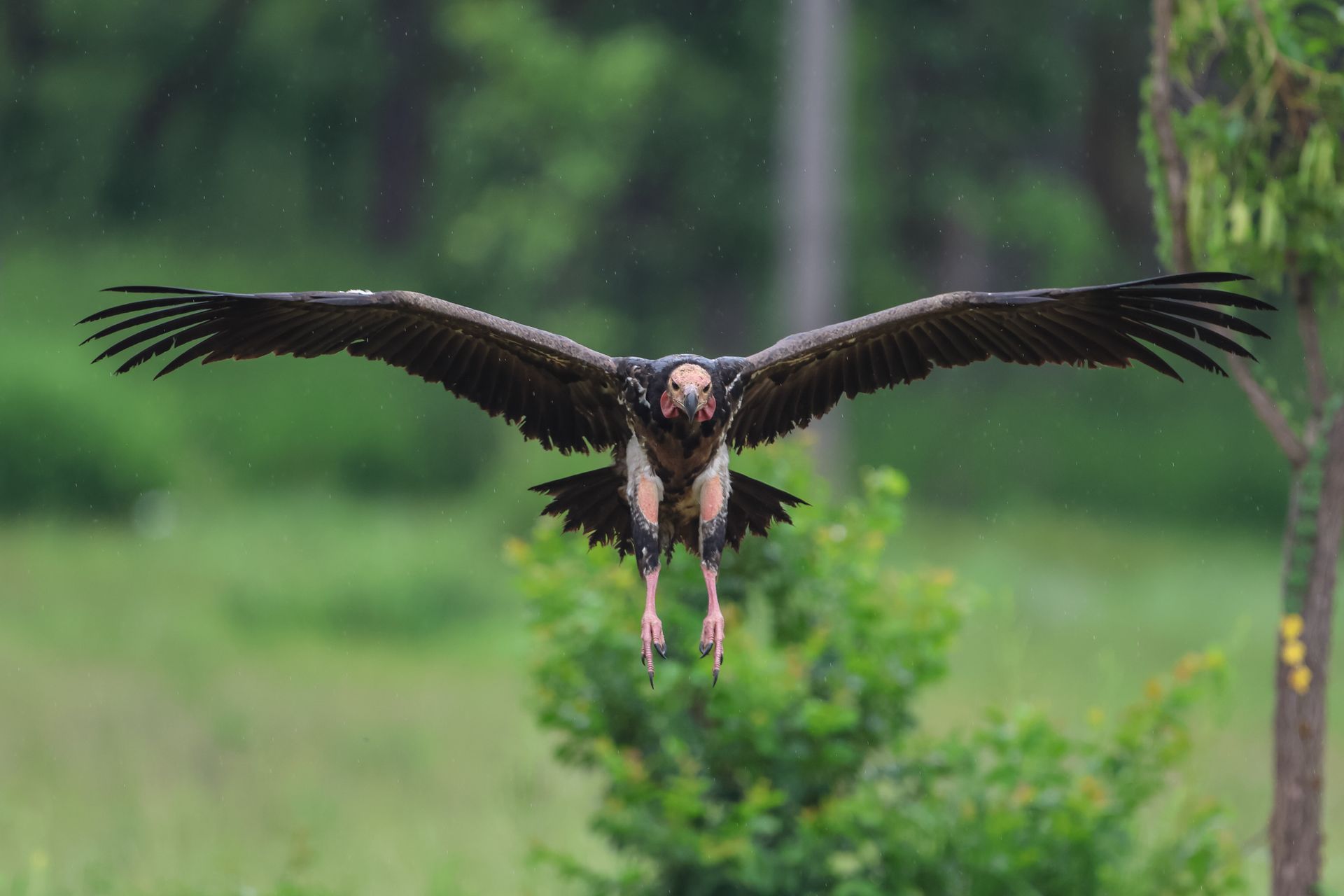
Cambodia is one of the most important places in Asia to search for three Critically Endangered vulture species:
- White-rumped Vulture (Gyps bengalensis)
- Red-headed Vulture (Sarcogyps calvus)
- Slender-billed Vulture (Gyps tenuirostris)
All three species have suffered severe population declines across Asia.
Their continued presence in Cambodia makes the country an important stronghold for vulture conservation and one of the most interesting destinations for specialist birdwatchers.
Where Can You See Cambodia's Vultures?
The Northern Plains are particularly important for vulture conservation.
One of the most remarkable conservation initiatives is the use of supplementary feeding sites, regularly called vulture restaurants.
These sites provide safe food sources for vultures while allowing conservation teams to monitor populations.
Birdwatchers visiting appropriate sites will have opportunities to observe all three species, depending on conditions and bird movements.
The Northern Plains also offer opportunities to search for Giant Ibis, White-shouldered Ibis, White-rumped Falcon,,Great Slaty Woodpecker, Rufous-bellied Woodpecker, and other sought-after species.
5.
Sarus Crane
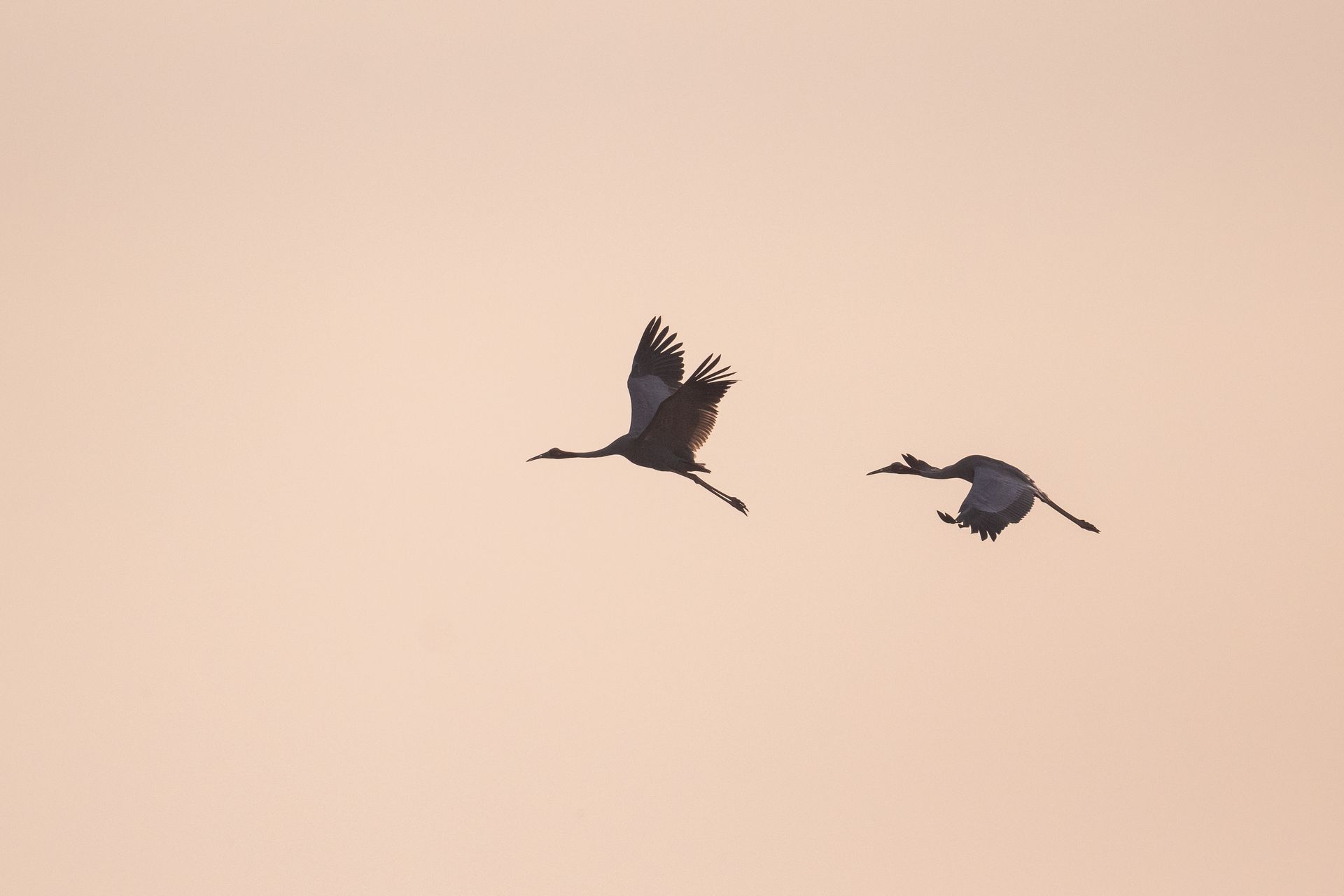
The Sarus Crane (Antigone antigone) is the world's tallest flying bird and one of Cambodia's most impressive wetland species.
With its enormous height, long legs, grey body, and striking red head and neck, a Sarus Crane is difficult to miss when encountered in an open landscape.
The species depends on wetlands, grasslands, rice fields, and other open habitats.
Where Can You See Sarus Crane?
Ang Trapeang Thmor is one of Cambodia's best-known destinations for observing Sarus Cranes.
The protected landscape contains wetlands, grasslands, rice fields, and other habitats that support a diverse range of birds.
Other Cambodian landscapes, including Anlong Pring Protected Landscape and parts of Lomphat Wildlife Sanctuary, are also important for Sarus Crane conservation.
The best opportunities to see the species depend on the season and location, with birds moving between feeding, roosting, and breeding areas.
What Else Can You See While Searching for the Big Five?
One of the biggest advantages of birdwatching in Cambodia is that searching for one target species often leads to many unexpected discoveries.
Depending on your destination and season, you may encounter:
- Woolly-necked Stork
- White-rumped Falcon
- Great Slaty Woodpecker
- Rufous-bellied Woodpecker
- White-bellied Woodpecker
- Greater Flameback
- Common Flameback
- Greater Yellownape
- Lesser Yellownape
- Yellow-crowned Woodpecker
- Velvet-fronted Nuthatch
- Burmese Nuthatch
- White-browed Fantail
- Indochinese Cuckooshrike
- Oriental Cuckooshrike
- Banded Bay Cuckoo
- Indian Cuckoo
- Crested Serpent-Eagle
- Green-billed Malkoha
- Oriental Darter
- Asian Openbill
- Black-headed Ibis
For dedicated birdwatchers, this means a trip focused on five target species can quickly turn into a much longer bird list.
A Cambodia Big Five Birdwatching Experience with Sam Veasna Conservation Tours
Sam Veasna Conservation Tours has more than two decades of experience leading birdwatching and wildlife experiences across Cambodia.
Our experienced local guides take visitors into important birding landscapes to search for some of the country's rarest and most sought-after species.
Depending on your itinerary, your experience can include the Giant Ibis and White-shouldered Ibis in the Northern Plains, Bengal Florican around the Tonle Sap grasslands, Cambodia's three Critically Endangered vultures, or Sarus Crane in important wetland landscapes.
The experience is about more than building a bird list.
It is an opportunity to explore Cambodia's forests, wetlands, and grasslands, meet local communities, and learn how conservation and responsible tourism can help protect some of the country's most remarkable wildlife.
For visitors exploring the Northern Plains, Kriel Lodge provides a comfortable base for birdwatching around Tmat Paeuy.
Plan Your Cambodia Big Five Birdwatching Trip
If you want to discover some of Cambodia's most remarkable birds, the country's Big Five provide an excellent starting point.
From the Giant Ibis and White-shouldered Ibis of the Northern Plains to Bengal Florican in the grasslands, Critically Endangered vultures, and towering Sarus Cranes, each species offers a different window into Cambodia's wildlife and conservation story.
Whether you are an experienced birder looking for your next lifer or a traveler who wants to discover a side of Cambodia beyond the temples, guided birdwatching can take you into some of the country's most extraordinary natural landscapes.
Ready to discover Cambodia's Big Five birds? Explore our birdwatching tours and plan your next wildlife adventure with Sam Veasna Conservation Tours.