Four Days Searching for Cambodia's Elusive Masked Finfoot
There are some birds that every birder dreams of seeing. For me, one of those species is the Masked Finfoot—one of Southeast Asia's rarest and most mysterious waterbirds.
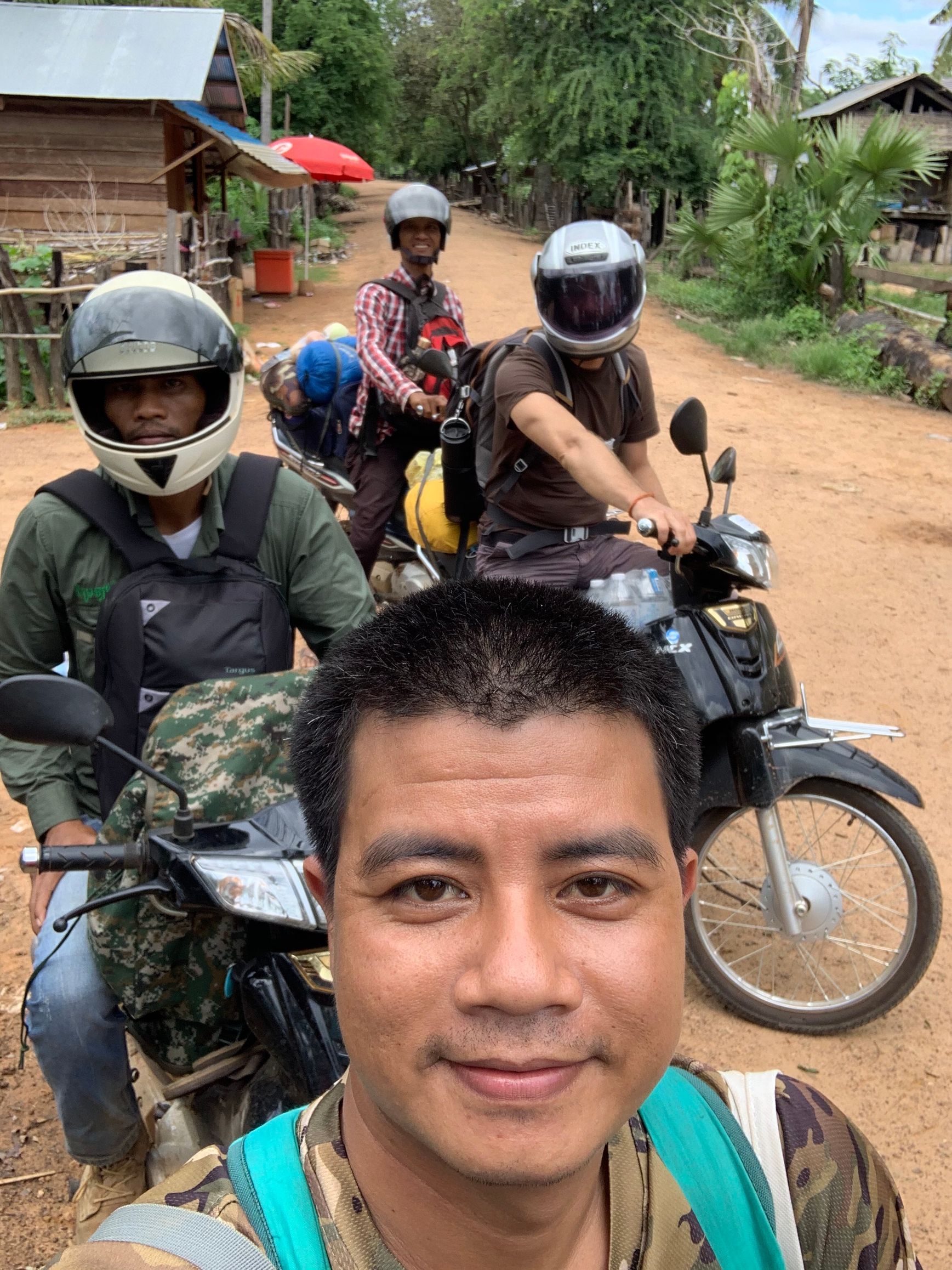
In June 2020, together with colleagues from Sam Veasna Conservation Tours, the Choam Sre Community, Greening Prey Lang, and the Wildlife Conservation Society, we set out on a four-day expedition into the forests of Choam Sre in Preah Vihear Province. Our mission was simple: search the winding streams and hidden waterways for any sign of this remarkable bird.
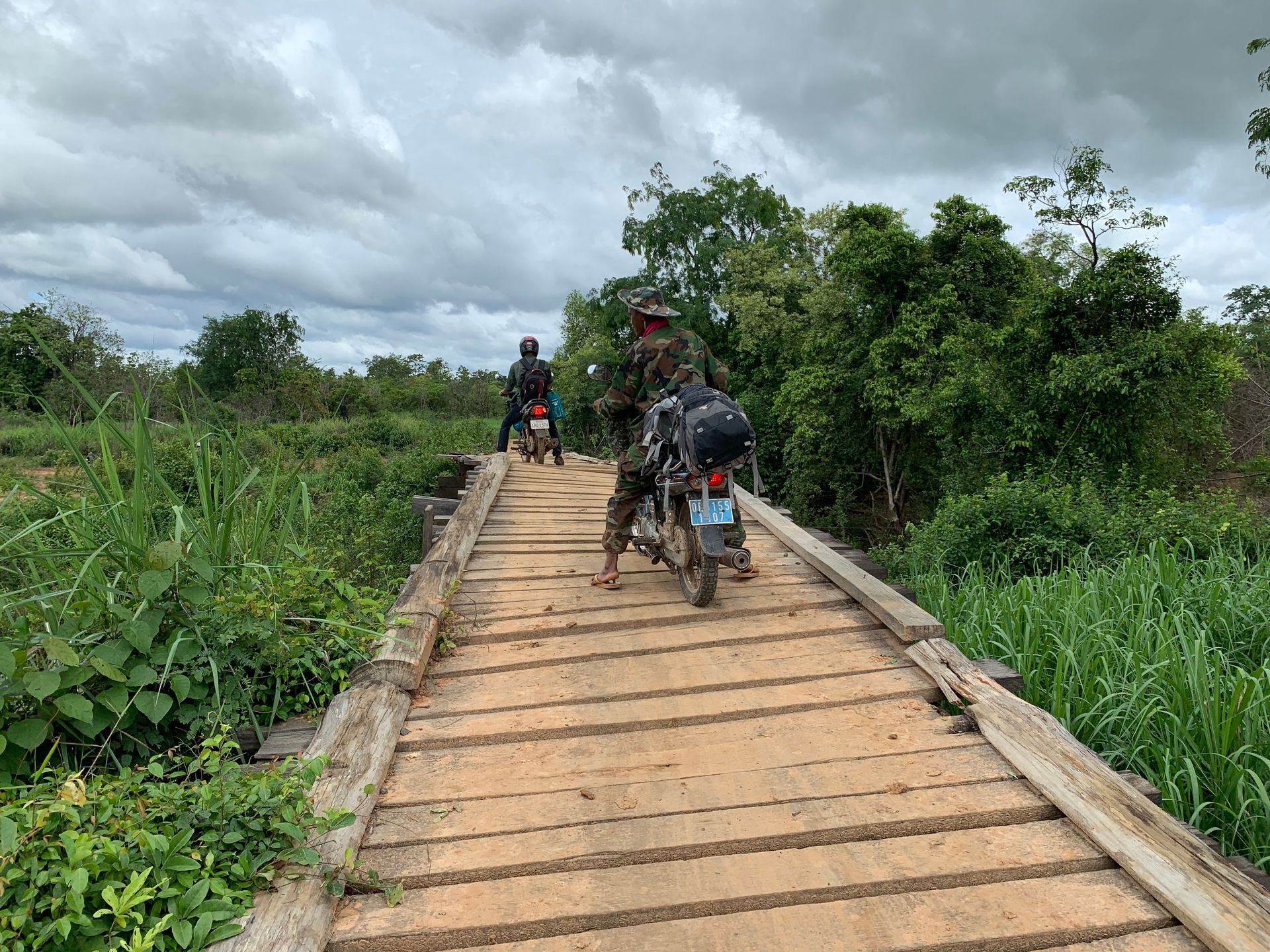
The journey began with a long drive from Siem Reap to Tbeng Meanchey, where our team gathered before continuing deeper into the forest. From there, motorcycles and traditional Koyun trailers carried our equipment over rough tracks until we finally reached our riverside campsite.
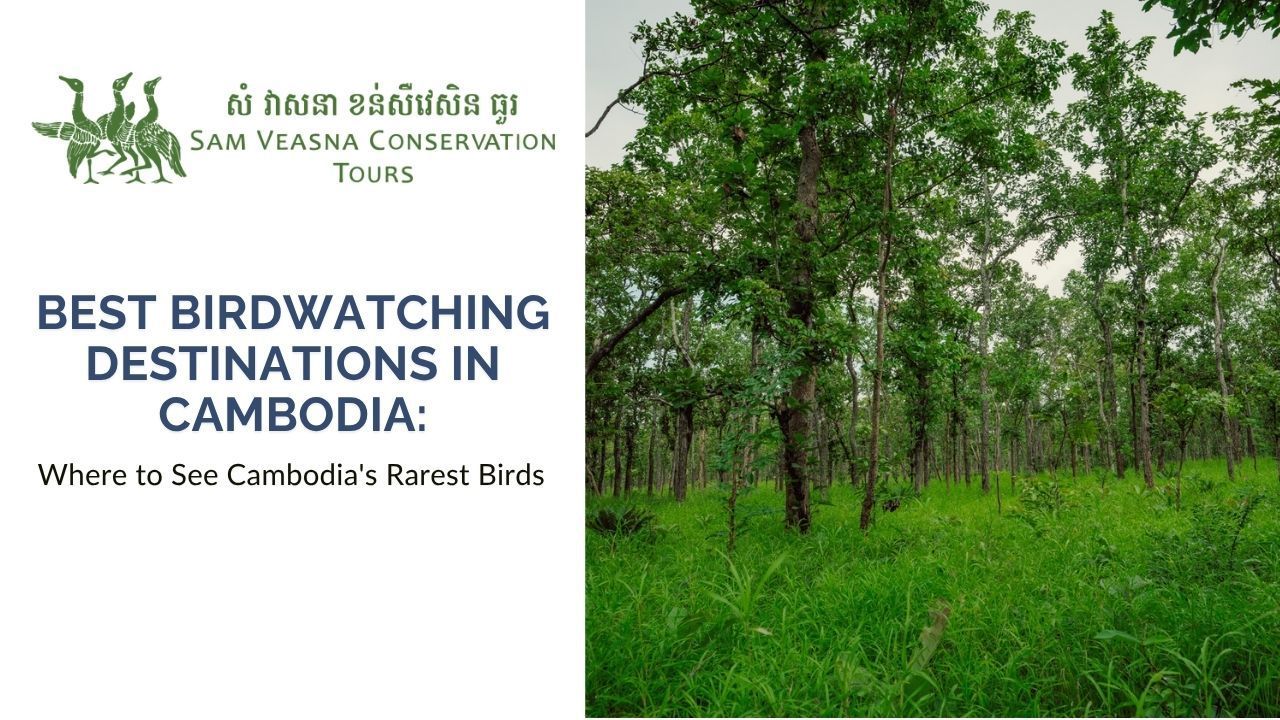
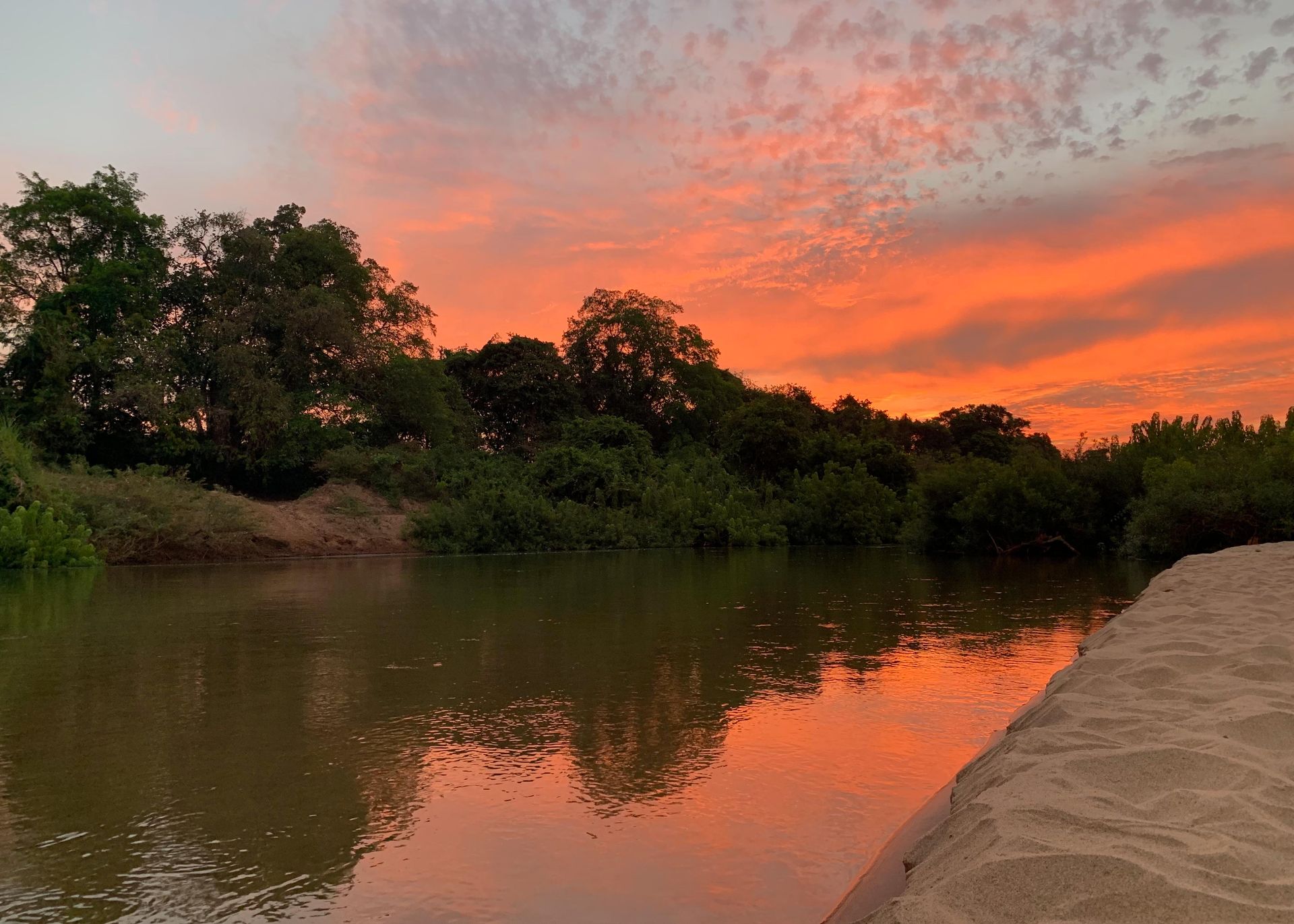
Our camp sat beside a quiet forest stream surrounded by dense vegetation. Just after we finished pitching our tents, the afternoon rain arrived. It lasted only a short while, but it reminded us that the forest would decide our schedule—not the other way around.
Once the rain had passed, we followed the narrow stream known locally as the Me May River. Every few hundred metres we stopped, sat quietly, and listened.
The habitat looked perfect.
Dense shrubs leaned over the water, fallen trees created natural shelters, and every bend in the river seemed like the ideal place for a Masked Finfoot to appear.
But the forest had other plans.
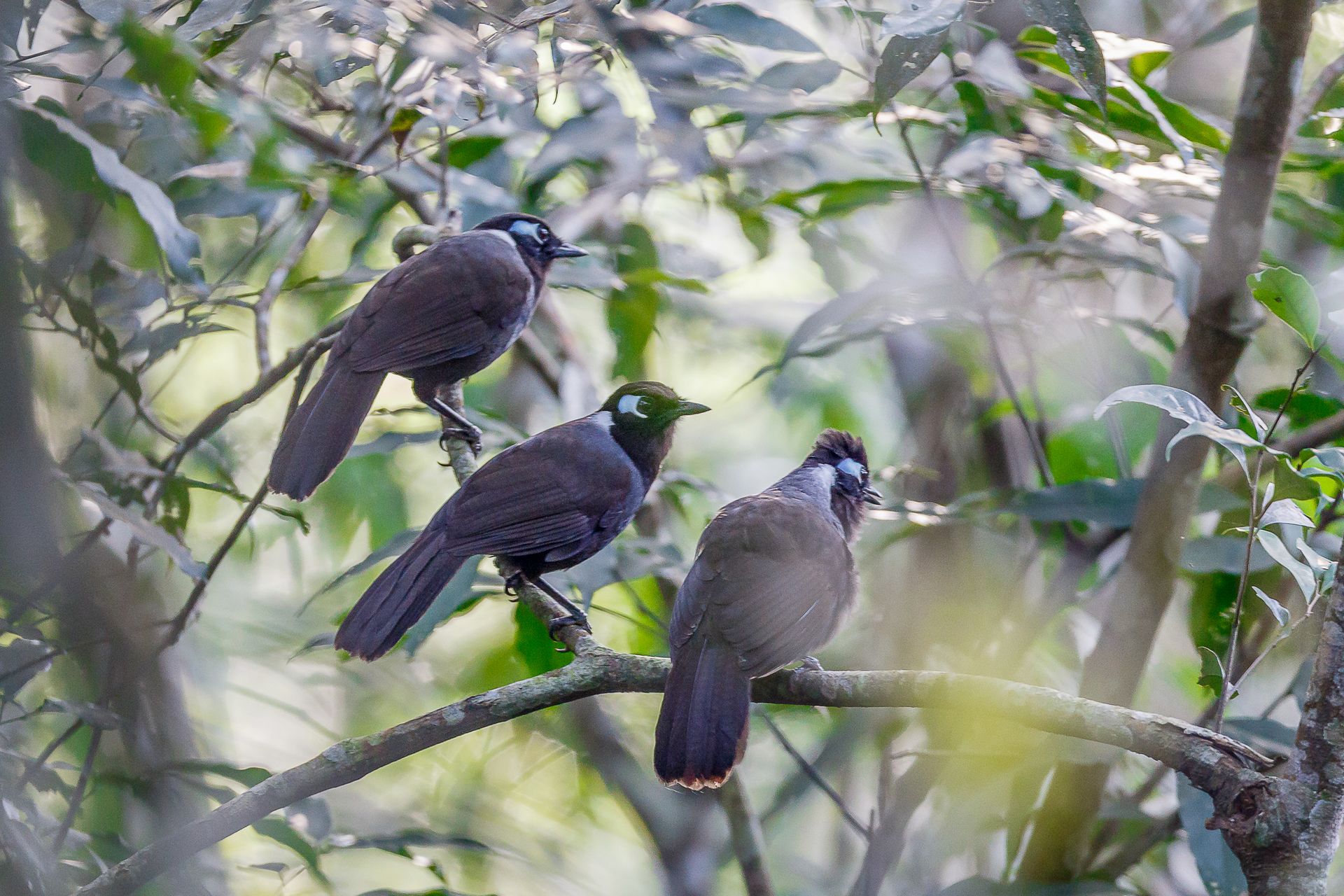
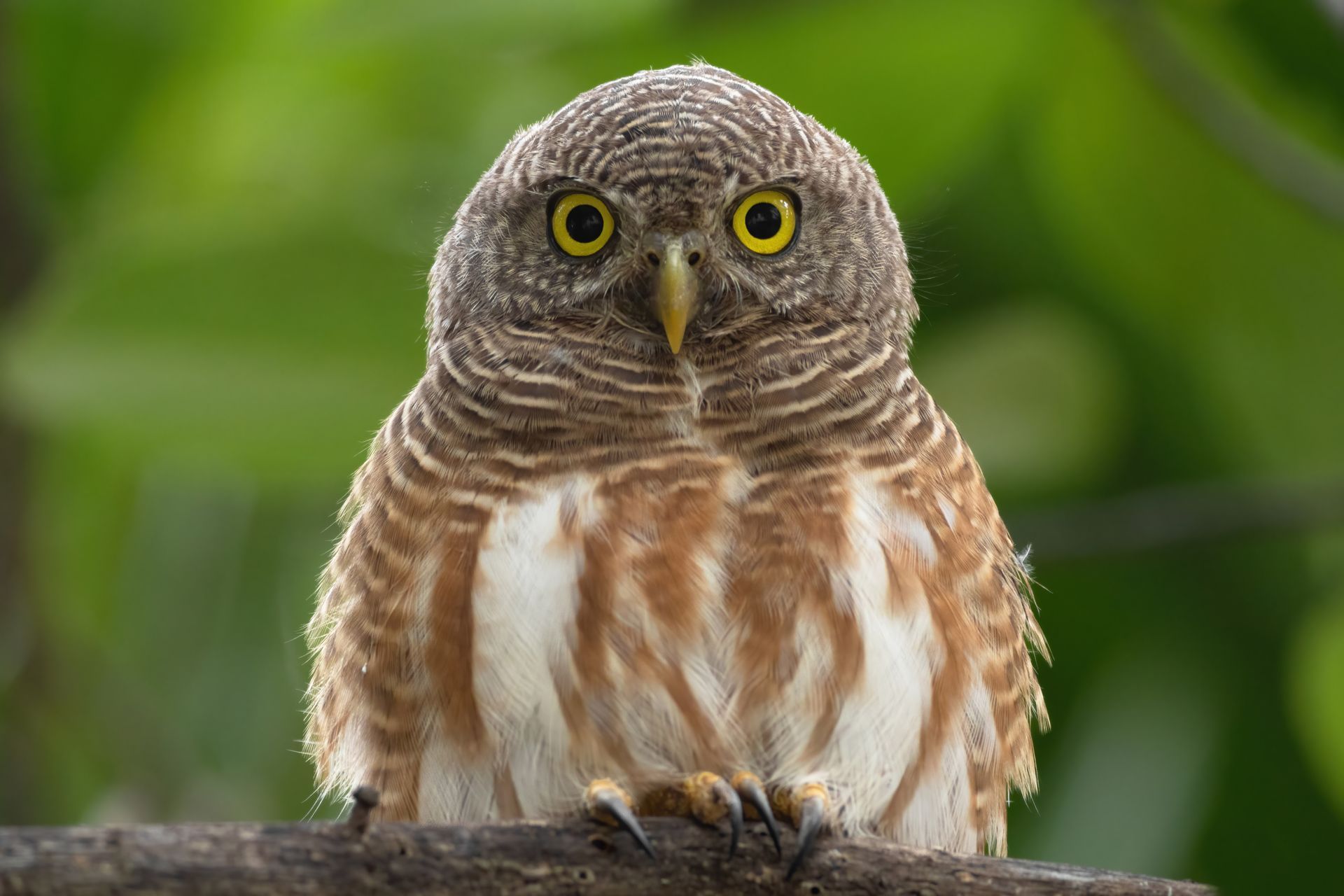
Instead of our target bird, we were greeted by the rich sounds of Cambodia's wildlife. Stork-billed Kingfishers flashed along the river, Blue-winged Pittas called from the undergrowth, Common Kingfishers hunted in the shallow water, while Chinese Francolins, Black-naped Monarchs, and countless bulbuls and tailorbirds filled the forest with life.
Every observation reminded us how healthy this river ecosystem still is.
On the second morning, we explored downstream, walking for nearly an hour before reaching our first observation point. Again, we waited patiently. The silence was broken only by birdsong and the occasional splash of fish beneath the surface.
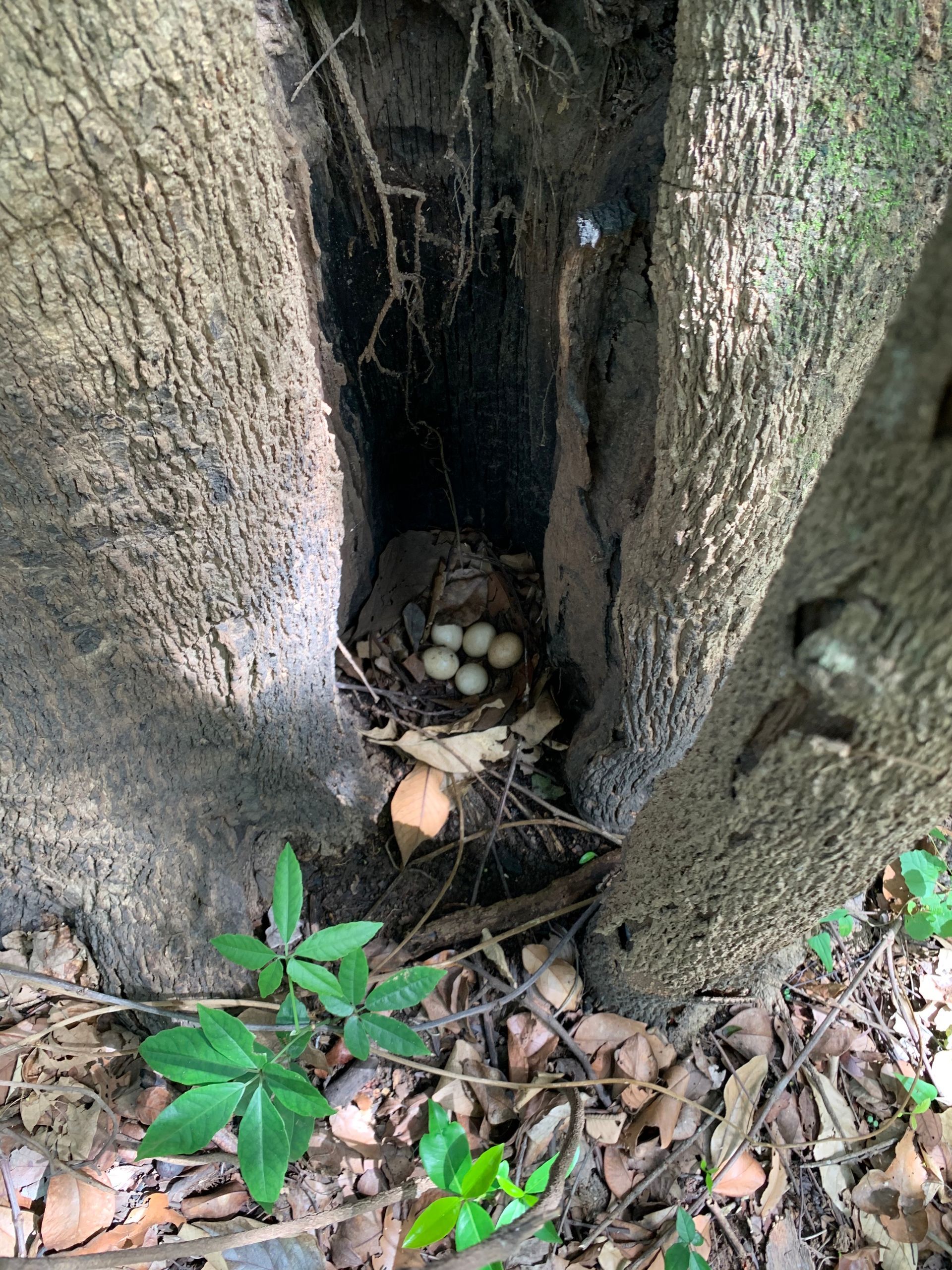
One unforgettable discovery came when we found a Red Junglefowl nest holding five beautiful eggs, hidden safely among the vegetation—a small reward for our careful searching.
The following day brought one brief moment of excitement.
Out of the corner of my eye, I caught sight of something swimming quickly into the riverside bushes. For a split second, my heart raced. Could this finally be the Masked Finfoot?
Unfortunately, the mystery swimmer soon revealed itself.
It was only a Water Monitor lizard disappearing into the thick vegetation.
Although slightly disappointed, moments like these are part of every wildlife expedition. Nature constantly keeps you guessing.
As the survey continued, we revisited several promising locations, spending hours sitting quietly beside the river. Birdwatching is often less about walking and more about patience. Sometimes the greatest challenge is simply remaining still and allowing the forest to reveal its secrets.
After four days of searching, we had to accept that the Masked Finfoot had remained hidden.
Yet the expedition was far from a failure.
Local community members shared valuable knowledge, explaining that water levels were still unusually low and that the species is more frequently observed later in July, when river conditions improve. Their experience offered hope for future surveys.
We also documented several conservation concerns. Fish traps stretched across parts of the river and could accidentally capture Masked Finfoots and other aquatic wildlife. During the dry season, local people often walk along the river with dogs while searching for fish, creating additional disturbance for wildlife using these fragile habitats.
Although we returned without our target species, every survey adds another piece to the conservation puzzle. Knowing where a species is absent can be just as important as knowing where it occurs.
The search for the Masked Finfoot continues.
And sometimes, that is the beauty of birding.
Not every expedition ends with the bird you came to find. Sometimes the greatest reward is experiencing wild places, learning from local communities, and knowing that every step taken helps protect one of Cambodia's most remarkable ecosystems.
One day, perhaps on another quiet morning beside these forest streams, the Masked Finfoot will finally appear.